Student Gatherings
上智の学生交流
【SSIC】徳島スタディツアー 振り返りレポート
Tokushima Study Tour Reflection Report
2026.07.29
はじめに――SSIC、初めて四国へ!
こんにちは! SSIC・FIND SOPHIA担当の伊藤です。
今回は、6月6日(土)から1泊2日で実施した「徳島スタディツアー」の様子をお届けします。
実は私は徳島県出身なのです! そんな私が一から企画した今回のスタディツアー。
これまでSSICでは、さまざまな地域を訪れるスタディツアーを開催してきましたが、SSICとして初めて四国地方を訪れるスタディツアーとなりました。
まず、みなさんは「徳島」と聞いて、何を思い浮かべますか?
阿波おどり、藍染、鳴門の渦潮、すだち、なると金時、わかめ…そのあたりでしょうか。
今回のスタディツアーでは、そんな徳島を代表する文化や自然、そして食をたっぷりと体験してきました。
それでは、1泊2日の旅を振り返ってみたいと思います!
徳島に到着! まずは阿波おどりのモニュメントがお出迎え
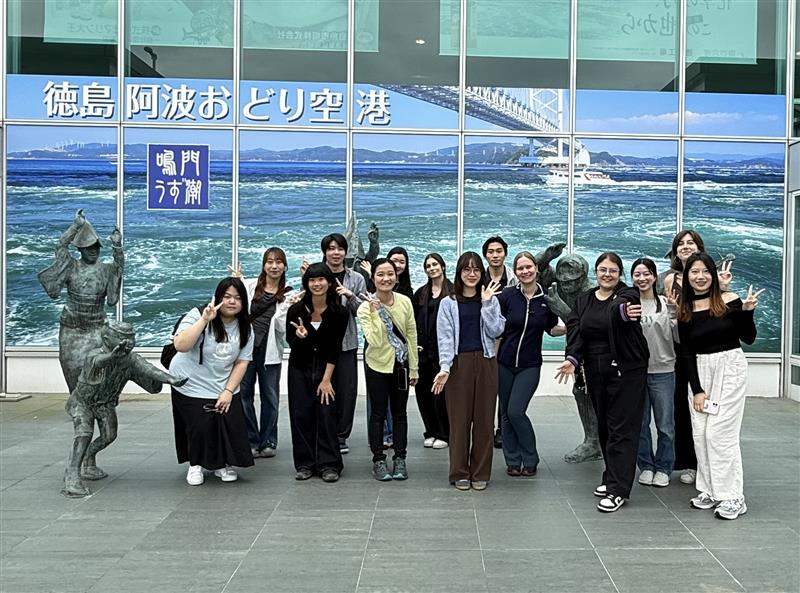
徳島空港に到着し、まずは記念撮影から!
空港では、徳島を代表する文化の一つである阿波おどりの像が私たちを出迎えてくれました。
私は阿波おどりのメロディーを聴きながらこのモニュメントを目にするといつも「徳島に来た!」という気分が一気に高まります。
これから始まる1泊2日の旅に、学生たちも期待が膨らんでいる様子でした。
「ジャパン・ブルー」のふるさとで藍染体験
徳島に到着して最初に向かったのは、藍染工房ルアフ。
今回体験したのは「ハンカチ染め体験」です。
ビー玉やフィルムケースなどを使ってハンカチに模様をつくり、藍の染料に浸けていきます。染料から取り出して空気に触れさせると、少しずつ色が変化していきます。
「もう一回浸けたら、もっと濃くなるかな?」「浸ける箇所はこの辺でやめておく?」
など、さまざまな会話が聞こえてきました。何度か浸けては出してを繰り返し、それぞれ思い思いの模様に仕上げていきました。

藍染の美しい青色は「ジャパン・ブルー」とも呼ばれ、日本を象徴する色として世界的にも知られています。身近なところで言うと、みなさん一度は目にしたことがあると思いますが、サッカー日本代表のユニフォームの色としても使われています。
実は、私自身も好きな色が二つあるのですが、そのうちの一つが「青」です。
徳島の藍は「阿波藍」と呼ばれ、江戸時代から全国に流通し、徳島の経済や文化を支えてきました。特に江戸時代には全国市場を席巻するほどの一大産業へと発展したそうです。
今回の体験では、担当してくださった山田さんから、藍染の技法だけでなく、こうした阿波藍の歴史についても詳しく教えていただきました。
日本の伝統文化を「見る」だけではなく、実際に手を動かして体験することで、徳島の藍文化をより身近に感じることができたのではないでしょうか。

「踊る阿呆に見る阿呆」――阿波おどりを体験
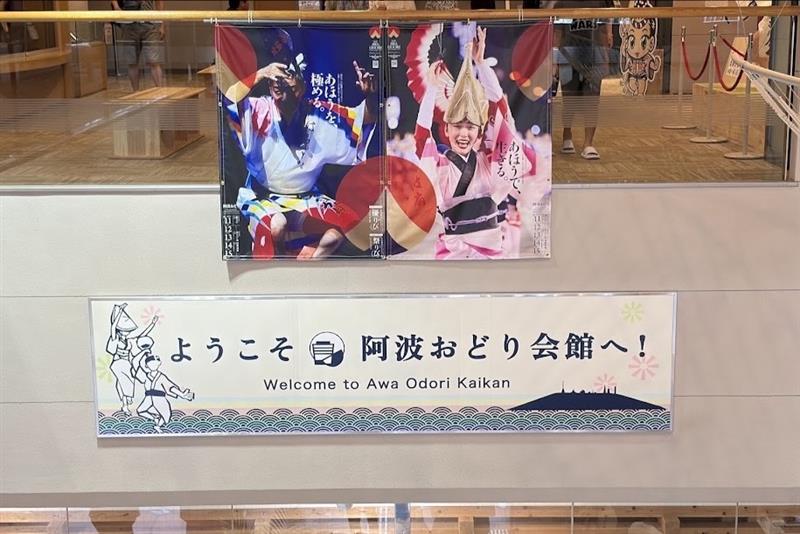
続いて訪れたのは、「阿波おどり会館」です。
突然ですが、ここで、もしお時間がある方は、過去に私が阿波おどりについて書いた記事をまずはお読みいただければと思います。阿波おどりについて、詳しく書いています。
大学で阿波おどり?―身体で学ぶ文化 | FIND SOPHIA
阿波おどり会館は、徳島を代表する伝統芸能「阿波おどり」を年間を通して楽しむことができる施設です。館内には阿波おどりの歴史や文化を紹介する展示があり、実演を楽しめる「阿波おどりホール」もあります。
阿波おどりミュージアムの展示を見たあとは、阿波おどりを見学しました。
そして、最後には全員で実際に阿波おどりを踊る体験にも挑戦しました!
「踊る阿呆に見る阿呆」という言葉もあるように、阿波おどりは見るだけでも十分楽しいですが、実際に踊ってみるとさらに楽しいものですよ!
最初は戸惑いながらも少し恥ずかしそうに舞台に上がっていた学生たちも、すぐにその場の雰囲気に慣れ、一同で踊り始めました。

そして、ここでうれしい出来事が・・・!
なんと、上智大学の学生が表彰されることになりました!
初心者でも楽しみながら踊ることができる――そんな阿波おどりの魅力を、あらためて実感することができた瞬間でした。

眉山から徳島市内を一望
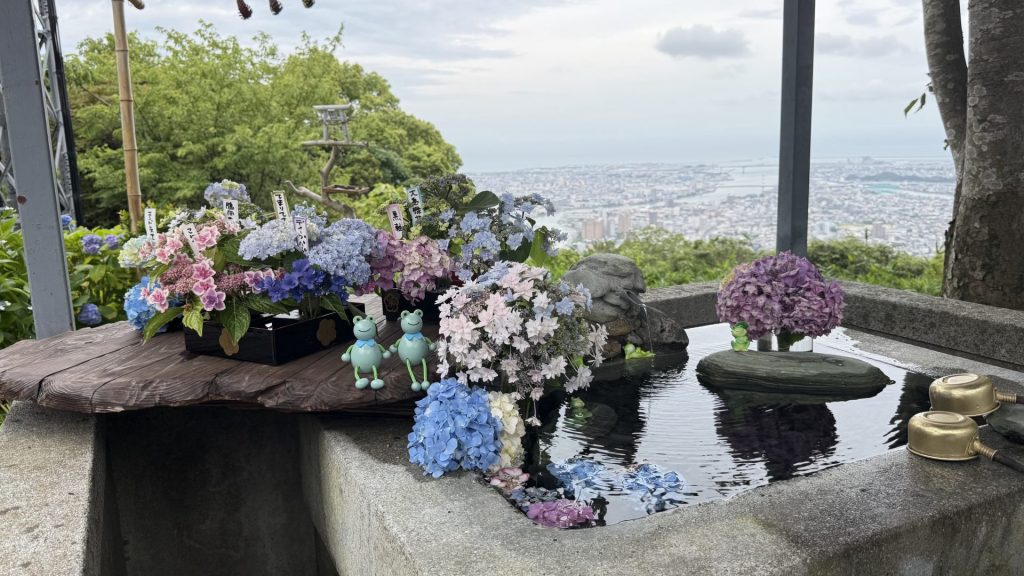
阿波おどり体験のあとは、徳島市のシンボルともいえる「眉山(びざん)」へ向かいました。
眉山は徳島市の中心部に位置する山で、山頂からは徳島市街を一望することができます。
今回はロープウェイに乗って山頂へ。
ロープウェイに乗ると、あっという間に山頂に到着します(乗車時間で言うとおよそ6分)。
この日はあいにくの曇り空でしたが、それでも山頂からの開放感のある眺望を楽しむことができました。
徳島の味覚を堪能!
1日目の夜は、徳島の地元食材を使った御膳料理をいただきました。
すだち、鱧(はも)、なると金時など、徳島ならではの食材がずらり。

なかでも、私が初めて体験したのが「すだち鍋」です。すだちならではのさわやかな香りがスープに加わり、とてもおいしくいただきました!
……ただし、ここで一つ反省点が。
すだちは香りや風味を楽しむ食材なので、鍋に入れた場合は、ある程度風味が出たところで取り出すのが一般的なのだそうです。
ずっと鍋に入れておくと、さわやかな風味だけでなく苦みが出てしまうことも。
私はそのことを知らず、最後まで入れたままにしてしまいました。
おそらく、他の学生も同じ状態になっていたはず……💦
次回、すだち鍋を食べる機会があれば、今度はちゃんと途中で取り出したいと思います(笑)。
徳島の夜を満喫
夕食後は自由時間にしました。
ホテルに戻って課題に取り組む学生、テスト勉強をする学生、お土産を買いに行く学生、駅周辺を散策する学生など、それぞれ思い思いの時間を過ごしたようです。
ちなみに、私が宿泊先として今回のホテルを選んだ理由の一つが、館内に天然温泉「眉山の湯」があったこと。
もちろん、温泉とサウナをしっかりと満喫しました(笑)。外気浴ができるスペースもあり、心地よい夜風を感じながら、早朝から一日動いた体をゆっくり休めることができました。
徳島の朝ごはんで発見――私のお気に入り「フィッシュカツ」
翌朝の朝食にも、徳島の地元食材を使ったメニューがたくさん並んでいました。
朝食が充実しているホテルは朝から気分が上がりますよね! 今回宿泊したホテルもメニューの種類が豊富だったので、選ぶ楽しみがありました。
ここで、私のお気に入りのソウルフードを一つご紹介します。
それは……「フィッシュカツ」!
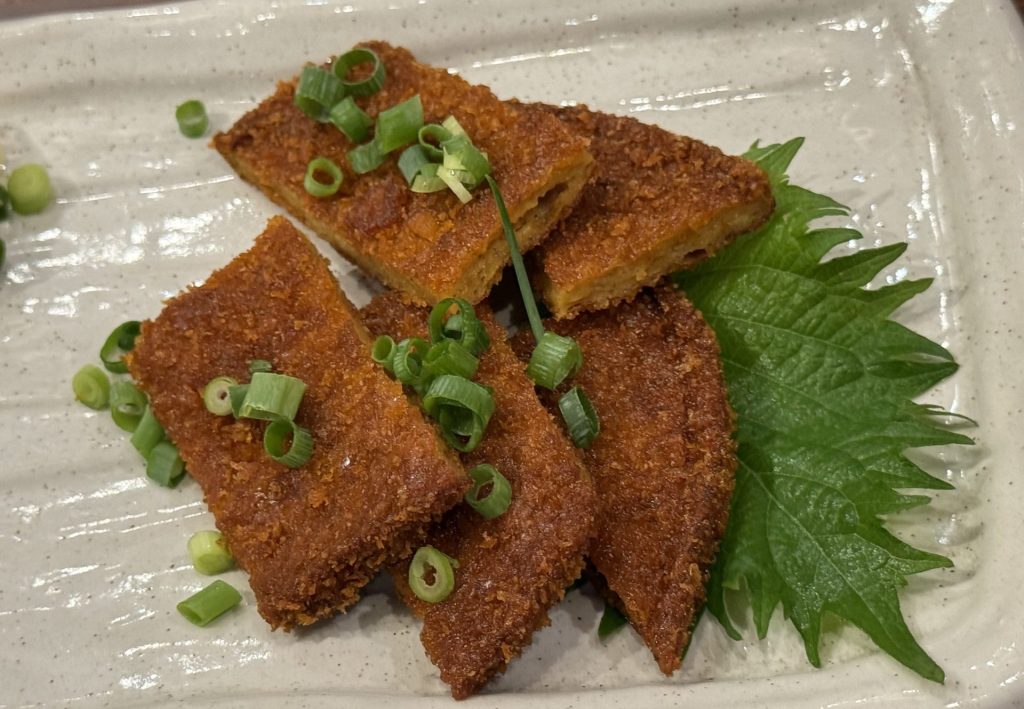
その名の通り、魚のすり身にパン粉をつけて揚げた徳島のご当地グルメです。
見た目からは少し想像しにくいかもしれませんが、カレー風味の味付けがされていて、このスパイシーさがクセになります。
ちなみに、私はフライパンでカリッと焼いてから食べるのが好きです。
余談ですが、お酒がお好きな方は、お酒のおつまみにもぴったりですよ!(笑)
2日目は鳴門へ! 迫力の「渦潮」を目指して……
2日目は、天気予報どおりのあいにくの雨模様……。
ホテルを離れ、鳴門市へ向かいました。
まず訪れたのは、徳島を代表する観光名所「鳴門の渦潮」です。
鳴門海峡では、瀬戸内海と太平洋の潮の満ち引きによって大きな潮流が発生し、海峡の狭い場所を大量の海水が行き来することで、迫力ある渦潮が生まれます。
今回は、事前に調べて渦潮が最も発生しやすい時間帯を狙って観潮船に乗船しました。
……しかし!
この日は残念ながら、はっきりとした渦潮を見ることができませんでした💦
自然が相手なので、こればかりは仕方ありません。
「今度こそ!」ということで、ぜひみなさんには後日、実際の目で鳴門の渦潮を見ていただきたいと思います。

乗船後は、鳴門海峡に架かる大鳴門橋の橋桁空間を利用した遊歩道「渦の道」にも足を運びました。
ここでは、海上約45mの高さから渦潮を間近に見ることができます。
……が、同様に残念ながら迫力ある渦潮を見ることはできませんでした。
本来であれば、鳴門海峡の雄大な景色を一望できる場所。晴れた日がよかったなと心から思いました……。

「くるくるなると」で徳島グルメを食べ歩き!
お昼は、道の駅「くるくるなると」へ。
ここではグループごとに自由行動にしました。
地元の食材やお土産がそろう人気の施設ということもあり、学生たちはそれぞれ気になるものを探していました。徳島のご当地グルメ「徳島ラーメン」を食べているグループもありました。

私はというと、朝食をいっぱい食べたということもあり、飲食店には入らず、道の駅ならではの楽しみ方として、いろいろなものを少しずつ食べ歩いていました(笑)。
なると金時のあんぱん、なると金時を使った芋けんぴ、そしてソフトクリーム。
……気がつけば、なると金時づくしです(笑)。

旅の最後は人形浄瑠璃――「阿波十郎兵衛屋敷」へ
スタディツアーの最後に訪れたのは、「徳島県立阿波十郎兵衛屋敷」です。
ここは、徳島を代表する伝統芸能の一つである「阿波人形浄瑠璃」を紹介・上演する施設です。
今回鑑賞したのは、阿波人形浄瑠璃の代表的な演目の一つである「傾城阿波の鳴門」。
阿波十郎兵衛屋敷は、この作品の主人公である板東十郎兵衛の屋敷跡に建てられており、現在も「傾城阿波の鳴門」が上演されています。

これまでSSICでは、歌舞伎鑑賞企画を毎年のように実施してきましたが、人形浄瑠璃を鑑賞するのは今回が初めて!
三人の人形遣いが息を合わせて一体の人形を操ることで、人形がまるで生きているかのように動きます。
そして、今回の訪問で私たちが驚いたことがもう一つ。
なんと、阿波十郎兵衛屋敷の館長さんが上智大学イスパニア語学科の卒業生だったのです!
思わぬところで上智大学とのつながりを発見し、私たちもびっくり。
その後、館長さんのご厚意で、特別に人形浄瑠璃について詳しい解説もしていただきました。
人形浄瑠璃の歴史や作品の時代背景、人形の種類、そして実際に人形をどのように動かしているのかなど、とても丁寧に解説していただき、学生たちにも大好評でした。

さらに、実際に人形に触れさせていただく機会まで!
私は触りませんでしたが……これが意外と重いのだとか。
三人の人形遣いが息を合わせて、一体の人形をまるで生きているかのように動かす。その裏側には、長い修練と高度な技術があることを実感しました。
あっという間の1泊2日
こうして、徳島での1泊2日のスタディツアーは終了。
名残惜しさを感じながら、私たちは東京へ戻ってきました。
事後アンケートでは、
「短かった」
「あっという間だった」
「もう一泊したかった」
という声も。
1泊2日という短い時間ではありましたが、藍染、阿波おどり、眉山、徳島グルメ、鳴門の渦潮、人形浄瑠璃と、徳島の文化・自然・食をぎゅっと詰め込んだ旅になりました。
学生のみなさんにとっても、普段の大学生活を少し離れ、地域の文化に実際に触れる貴重な機会になったのではないでしょうか。

担当者あとがき
徳島には、
「阿波に来るならお盆に来んせ」
という言葉があります。
徳島に来るなら、ぜひお盆に来てください――そんな意味の、阿波おどりを象徴するキャッチコピーです。
これには私も「まさにそのとおりだな」と思っています。
今や阿波おどりは徳島だけでなく、高円寺阿波おどりをはじめ、全国各地で開催される身近なお祭りになっています。
しかし、やはり一度は本場・徳島の阿波おどりを生で見ていただきたい!
と常々思っています。数日間にわたり街全体が踊りの熱気に包まれる、あの迫力は、実際に現地に行ってこそ味わえるものだと思います。
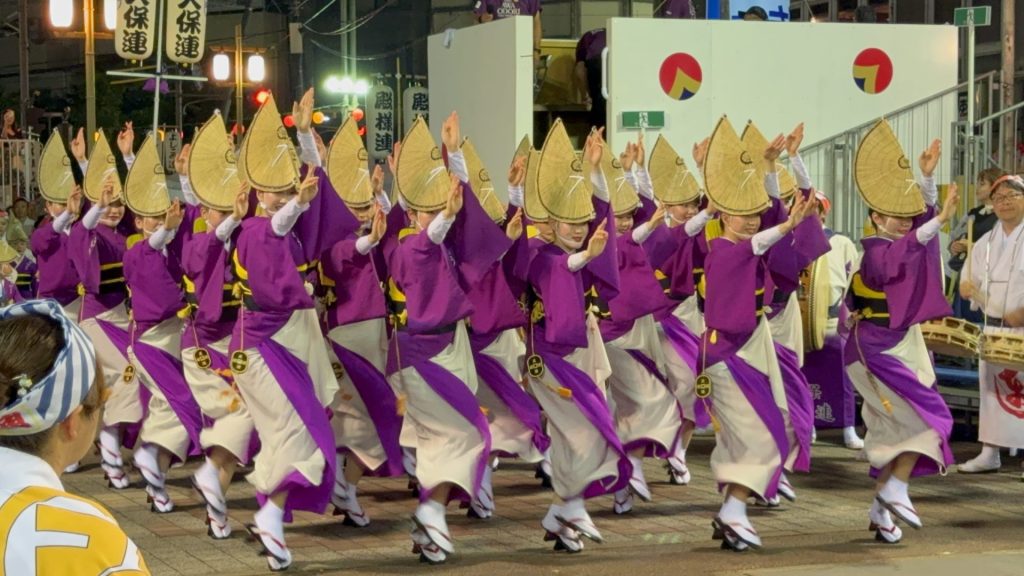
……と、最後にここで少し個人的な話を。
実は私自身も阿波おどりの「連」に所属しています。
この記事が配信される7月下旬から9月末ごろまでは、毎週土日は、東京を中心に阿波おどりのお祭りに出演しています。もしどこかのお祭りで見かけたら、ぜひお気軽に声をかけてください!
そして、今回の記事ではご紹介できなかった徳島の魅力も、まだまだたくさんあります。
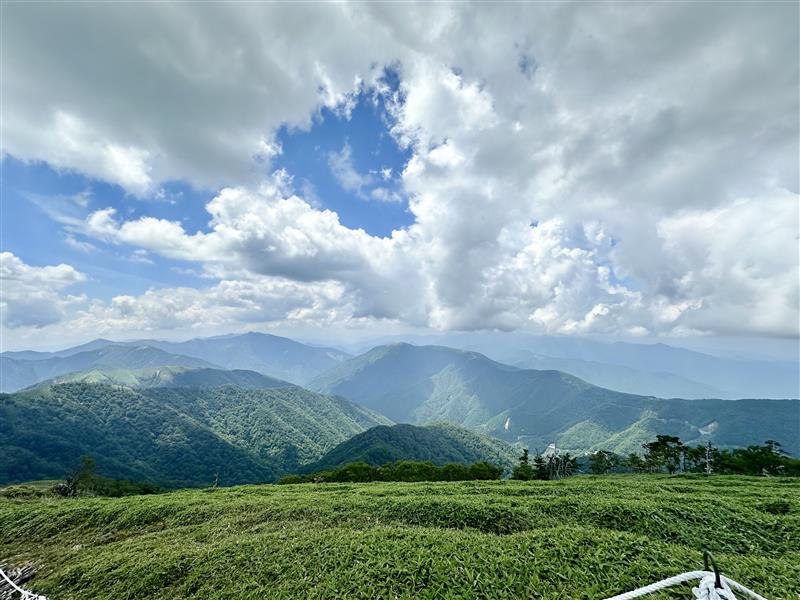
今回訪れたのは徳島県東部ですが、西部にはさらに豊かな自然を楽しめるスポットが数多くあります。剣山や祖谷のかずら橋など、夏には美しい緑に囲まれながら、徳島ならではの自然を満喫することができます。
この記事を読んで、「徳島に行ってみたいな」と思った方は、ぜひ夏の徳島へ!
そして、阿波おどりの大きな「踊りの渦」に、ぜひ巻き込まれてみてください。楽しいこと間違いなしですよ!
最後に
SSICでは、今後も学生のみなさんが新しい発見や出会いを楽しめるようなプログラムを企画していきます。
少しでも興味のある企画がありましたら、ぜひお気軽にお申し込みください。
みなさんのご参加をお待ちしています!
Tokushima Study Tour Report
A Two-Day Journey Through the Charms of Tokushima!
Introduction――SSIC Visits Shikoku for the First Time!
Hello! This is Ito from SSIC, Center for Student Affairs. I’ll be sharing highlights from our Tokushima Study Tour, held from June 6 (Sat.) to 7 (Sun.).
Being from Tokushima myself, I was the one who planned this tour.
SSIC has organised study tours to various parts of Japan, but this time, we headed to Shikoku for the first SSIC study tour.
What comes to mind when you hear “Tokushima”?
Awa Odori, indigo dyeing, the Naruto whirlpools, sudachi citrus, Naruto Kintoki sweet potatoes, wakame seaweed…
On this study tour, we experienced plenty of Tokushima’s unique culture, nature, and food. Now, let’s look back on our two-day journey!
Arriving in Tokushima! Greeted by an Awa Odori Monument
After arriving at Tokushima Airport, we first took a group photo!
At the airport, we were welcomed by a monument featuring Awa Odori. Whenever I see this monument while listening to Awa Odori music, I feel, “I’m in Tokushima!”
The students also seemed excited about the two-day adventure ahead.
Indigo Dyeing in the Home of “Japan Blue”
Our first stop was Indigo Dyeing Studio Luaf.
We tried making our own handkerchiefs using indigo dye.
We created patterns using marbles, film canisters, and other objects before dipping our handkerchiefs into the indigo dye. As we took them out and exposed them to the air, the colour gradually changed.
“Should I dip it one more time to make it darker?”
“Should I stop dipping around here?”
We could hear all kinds of conversations as everyone dipped and removed their handkerchiefs several times, creating their own unique designs.
The beautiful blue of indigo dyeing is often called “Japan Blue” and is known around the world as a colour representing Japan. You have probably seen it before—it is also used for the uniforms of Japan’s national soccer team.
Tokushima’s indigo, known as “Awa Ai,” has been distributed throughout Japan since the Edo period and has supported the region’s economy and culture. During the Edo period, it developed into a major industry that dominated the national market.
During our workshop, our instructor taught us not only about indigo dyeing techniques but also about the history of Awa Ai.
By experiencing traditional Japanese culture with our own hands rather than simply observing it, I hope the students were able to feel Tokushima’s indigo culture a little closer.
“Dance, Dance!”――Experiencing Awa Odori
Our next stop was the Awa Odori Kaikan.
The Awa Odori Kaikan is a facility where visitors can enjoy Awa Odori throughout the year. It features exhibits on the history and culture of Awa Odori, as well as live performances at the Awa Odori Hall.
After exploring the Awa Odori Museum, we watched a live performance.
And finally, we got to try dancing Awa Odori ourselves!
Awa Odori is fun to watch, but it is even more fun when you join in!
At first, the students looked a little nervous and shy as they stepped onto the stage. But they soon got into the atmosphere and began dancing together.
And then came a wonderful surprise…!
One of our Sophia students was even given an award!
It was a moment when we once again experienced how much fun Awa Odori can be, even for complete beginners.
A View of Tokushima City from Mt. Bizan
After our Awa Odori experience, we headed to Mt. Bizan, one of Tokushima City’s most famous landmarks.
Located in the heart of the city, Mt. Bizan offers beautiful views of Tokushima from its summit.
This time, we took the ropeway to the top.
The ride takes only about six minutes, so we reached the summit in no time.
Although the sky was cloudy that day, we still enjoyed the open views from the top.
Enjoying Tokushima’s Local Flavours!
That evening, we enjoyed a traditional Japanese set meal featuring local ingredients from Tokushima.
Sudachi citrus, hamo eel, Naruto Kintoki sweet potatoes, and more—the table was filled with local specialties.
One of my personal favourites was something I had never tried before: sudachi hot pot.
The refreshing aroma of sudachi added a wonderful flavour to the soup, and it was delicious!
…However, I learned an important lesson.
Sudachi is best enjoyed for its fresh flavour, so when used in a hot pot, it is apparently best to remove the slices once they have released enough flavour.
If you leave them in too long, they can become bitter.
I didn’t know this and left mine in until the very end.
I suspect some of the other students did the same…💦
Next time I have sudachi hot pot, I’ll make sure to take the slices out at the right time!
Enjoy Tokushima at Night
After dinner, we had some free time.
Some students returned to the hotel to work on assignments, others studied for tests, went shopping for souvenirs, or explored the area around the station.
One reason I chose our hotel was that it had its own natural hot spring, “Bizan no Yu.”
Of course, I made the most of both the hot spring and the sauna!
There was also an outdoor relaxation area, where I could enjoy the cool evening breeze and give my body a well-deserved rest after a long day.
Discovering My Favourite Tokushima Soul Food: Fish Katsu
The next morning, the breakfast buffet was also filled with dishes made with local ingredients from Tokushima.
A good hotel breakfast always puts me in a great mood! Our hotel offered a wide variety of dishes, making it fun to choose what to eat.
Here, I’d like to introduce one of my favourite local soul foods.
It is… “Fish Katsu”!
As the name suggests, it is a Tokushima specialty made by coating seasoned fish paste with breadcrumbs and frying it.
You might not guess it from its appearance, but it has a curry flavour, and the spicy taste is seriously addictive.
Personally, I like to heat it in a frying pan until crispy before eating it.
And just as a side note, if you like drinking, it also makes a great snack!
Day Two: Heading to Naruto in Search of the Famous Whirlpools…
On day two, the weather forecast was right—the rain was waiting for us…
We left the hotel and headed to Naruto City.
Our first stop was the famous Naruto whirlpools, one of Tokushima’s most iconic attractions.
In the Naruto Strait, powerful currents are created by the tides between the Seto Inland Sea and the Pacific Ocean. As large volumes of seawater flow through the narrow strait, spectacular whirlpools are formed.
I checked the tide schedule in advance and boarded a sightseeing boat at a time when the whirlpools were expected to be most active.
…But unfortunately!
We were unable to see any clearly defined whirlpools that day. 💦
Nature is unpredictable, so there was nothing we could do.
“Next time!”
I hope you will visit Naruto someday and see the whirlpools with your own eyes.
After the boat ride, we also visited “Uzu no Michi,” a walkway built into the bridge structure of the Great Naruto Bridge.
From about 45 meters above the sea, visitors can look down and see the whirlpools up close.
…But once again, the weather was not on our side, and we could not see the spectacular whirlpools.
On a clear day, this is a wonderful place to enjoy the magnificent scenery of the Naruto Strait.
I really wish we had had better weather…
Enjoying Tokushima’s Food at “Kukuru Naruto”!
For lunch, we headed to the roadside station “Kukuru Naruto.”
We split into groups and had some free time to explore.
The facility is popular for its local food and souvenirs, and the students enjoyed looking around and finding things that caught their interest. Some groups even tried Tokushima’s famous local dish, Tokushima Ramen.
As for me, I had already eaten a big breakfast, so instead of sitting down at a restaurant, I decided to enjoy the food by trying a little bit of everything.
Our Final Stop: Awa Jurobe Yashiki and Japanese Puppet Theatre
The final stop on our study tour was the Tokushima Prefectural Awa Jurobe Yashiki.
The facility introduces and hosts performances of Awa Ningyo Joruri, one of Tokushima’s most famous traditional performing arts.
We watched “Keisei Awa no Naruto,” one of the most famous plays in the Awa Ningyo Joruri tradition.
Awa Jurobe Yashiki was built on the former site of the residence of Bando Jurobe, the main character of the play, and “Keisei Awa no Naruto” is still performed there today.
SSIC has organised kabuki appreciation events almost every year, but this was our first time watching Japanese puppet theatre!
Three puppeteers work together to control a single puppet, making it move as if it were alive.
And we had another wonderful surprise during our visit.
The director of Awa Jurobe Yashiki turned out to be a graduate of Sophia University’s Department of Hispanic Studies!
We were delighted to discover this unexpected connection with Sophia.
Thanks to the director’s kindness, we were also given a special and detailed introduction to Japanese puppet theatre.
We learned about its history, the historical background of the play, different types of puppets, and how the puppets are actually operated. The students thoroughly enjoyed the explanations.
We even had the chance to touch the puppets ourselves!
I didn’t try it myself, but apparently, they are heavy.
Watching three puppeteers work together to make a single puppet seem alive gave us a real appreciation of the years of training and advanced skills behind this traditional art.
An Unforgettable Two Days
And just like that, our two-day study tour in Tokushima came to an end.
We returned to Tokyo feeling a little sad to leave.
In our post-tour survey, some students said:
“It was too short.”
“It went by so quickly.”
“I wish we had stayed one more night.”
Although it was only a two-day trip, we packed in Tokushima’s culture, nature, and food—from indigo dyeing and Awa Odori to Mt. Bizan, local cuisine, the Naruto whirlpools, and Japanese puppet theatre.
I hope the students were able to step away from their usual university lives and experience the culture of another region firsthand.
A Note from the Writer
There is a phrase often heard in Tokushima:
“Come to Awa during the Obon season.”
In other words, if you are coming to Tokushima, come during the Obon holidays—the season of Awa Odori.
I have to say, I completely agree.
Today, Awa Odori is a familiar festival held not only in Tokushima but also throughout Japan, including the famous Koenji Awa Odori.
However, I still hope everyone gets the chance to see the real Awa Odori in Tokushima at least once!
The entire city is filled with the energy of dancing for several days, and that incredible atmosphere is something you can only truly experience by being there.
And now, a little personal note.
I am actually a member of an Awa Odori dance group myself.
From late July, when this article is published, through around the end of September, I will be performing at Awa Odori festivals mainly around Tokyo every weekend.
If you happen to see me at one, please feel free to say hello!
There are also many more things to discover in Tokushima that I could not cover in this article.
In western Tokushima, you can find many places where you can enjoy the region’s beautiful natural scenery. Mt. Tsurugi and the Iya Kazura Bridge are especially beautiful in summer, when the mountains are covered in lush green.
If this article has made you want to visit Tokushima, why not head there this summer?
I guarantee you’ll have a great time!
Finally
SSIC will continue to organise programs where students can enjoy new discoveries and encounters.
If any of our programs sound even a little interesting, please feel free to join us.
We look forward to seeing you!